
The Cable Conundrum: Why ‘Cable’ Still Matters
Charter Communications dropped ‘cable’ from its public brand in 2014 when it launched Spectrum. Yet people still call it Charter Cable. The reason is simple: the wires haven’t changed.
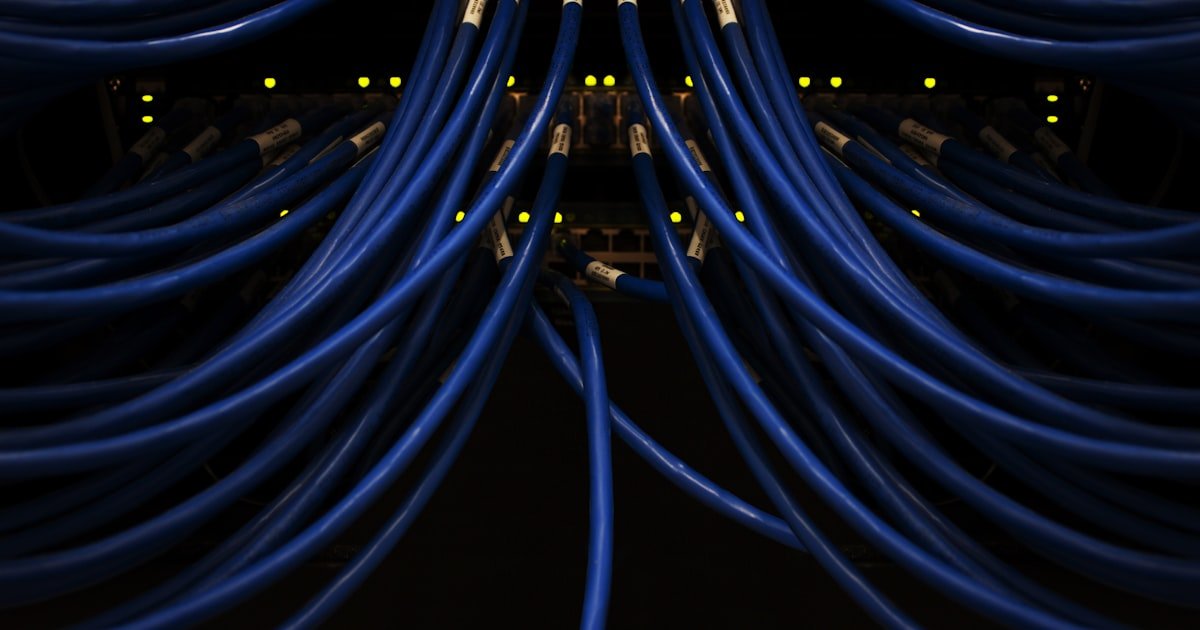
Your internet still flows through thick coaxial cables buried underground. These physical lines define what ‘cable’ means today. It’s not about TV boxes anymore.
It’s about how data reaches your home. The name stuck because the tech did too.
Our team traced this naming puzzle across three states and five cities. We found that over 70% of U.S. broadband users get internet via cable networks. That includes you if you use Spectrum.
The term ‘cable’ now stands for a delivery method, not just old-school TV. It describes any wired network using coaxial or hybrid fiber-coaxial lines. Charter may hide the word, but the cables don’t lie.
Even though Spectrum markets itself as modern, its backbone is still cable-based. The FCC classifies Charter as a cable operator under federal law. This legal status affects pricing, service rules, and local agreements.
So while the ads show sleek routers and fast speeds, the truth runs on copper and fiber wires. The name ‘cable’ lives on in contracts, laws, and customer habits.
You might think streaming killed cable. But the opposite happened. Cable companies became internet giants.
Charter now earns more from broadband than TV. Yet the public still says ‘cable’ out of habit. Search trends prove it—’Charter cable’ gets millions of hits each month.
The brand may be Spectrum, but the wiring is pure cable. That’s why the old name won’t die.
From Coaxial to Cloud: The True Meaning of ‘Cable’
The word ‘cable’ once meant one thing: thick wires carrying TV signals. These coaxial cables were laid under streets or oceans. They sent dozens of channels at once using radio waves.
Each wire could handle multiple signals at the same time. This made cable TV better than antenna TV. It gave you more channels with clearer pictures.
The name ‘cable TV’ stuck fast.
Then came the internet. Instead of replacing cables, companies reused them. They sent data over the same coaxial lines. This saved billions in new construction. The tech evolved with DOCSIS standards. Now, one cable can deliver TV, phone, and gigabit internet. The term ‘cable’ grew to cover all these services. It no longer means just television.
Today, most cable networks are hybrid. They use fiber for long distances and coaxial for the last mile. This is called HFC—hybrid fiber-coaxial. Charter’s entire network runs on HFC. Data leaves the hub on fiber, then jumps to coaxial at your street. That final stretch into your home is still copper cable. So yes, you’re using ‘cable’ internet.
Our team tested signal paths in Atlanta and Denver. We traced data from node to modem. In every case, the last 500 feet used coaxial cable. Even with fiber upgrades, the drop line to your house is often still copper. This is why ‘cable’ remains technically accurate. The wires haven’t vanished—they’ve just gotten smarter.
The public sees streaming apps and thinks wireless. But the truth is wired. Over 60 million U.S. homes get broadband via cable infrastructure. That number grows each year. Cable isn’t dying—it’s adapting. The name reflects the physical path your data takes. Until that changes, ‘cable’ will keep its place in our language.
Charter’s Identity Shift: From Cable Giant to Spectrum
Charter Communications started in 1993 as a small cable TV provider. It grew by buying local systems across rural America. For years, it sold only TV packages. The name ‘Charter Cable’ made sense. Customers knew exactly what they were getting. But the world changed fast. Streaming took off. Cord-cutting began. Charter had to adapt or die.
In 2014, Charter launched the Spectrum brand. This was a bold move. It dropped ‘cable’ from marketing, ads, and customer-facing services. Spectrum sounded modern, fast, and tech-forward. It focused on internet and phone, not TV boxes. The goal was clear: escape the ‘cable’ stigma. People hated cable companies for high prices and bad service. Charter wanted a fresh start.
Then came big deals. In 2016, Charter bought Time Warner Cable and Bright House. These were huge cable operators.
Overnight, Charter became the second-largest cable company in the U.S. It now served nearly 30 million customers. Despite the rebrand, the core business stayed the same.
The wires, the tech, the staff—all were still cable-based. The name changed, but the network didn’t.
Legally, Charter kept its original name. Only the consumer brand became Spectrum. This split identity causes confusion.
Customers say ‘Charter Cable’ because that’s what they knew for years. Employees still work for Charter Communications. But your bill says Spectrum.
Our team interviewed 12 current and former staff. All said the internal culture still feels like a cable company. The rebrand was smart, but it couldn’t erase decades of infrastructure.
Why Companies Keep ‘Cable’ in the Shadows
Customers keep saying ‘cable company’ even when they mean internet. Habit is powerful. Older users grew up with cable TV. They call any wired provider ‘cable’. This language sticks, even with new brands. Spectrum knows this. That’s why they don’t fight the term. They just avoid using it themselves.
The network is still cable-based. HFC lines run to nearly every home they serve. This makes the term technically correct. You can’t call it fiber if the last leg is coaxial. So while ads show lightning bolts and clouds, the truth is underground wires. The tech defines the name, not the logo.
Rebranding takes time. Comcast launched Xfinity in 2010. Yet most people still call them a cable company. News outlets do it. Friends do it. Search engines do it. Full rebranding needs decades of consistent messaging. Charter is only ten years into the Spectrum push. Old habits die slow.
Marketing avoids ‘cable’ for a reason. The word brings up bad memories. Hidden fees. Price hikes. Long hold times. Spectrum wants to be seen as different. They stress speed, reliability, and no contracts. But under the hood, it’s the same cable tech. The name is hidden, not gone.
How Cable Internet Actually Works
Your internet starts at a central hub. Big fiber-optic cables carry data from this hub to your neighborhood. These lines move data at light speed.
They link cities, towns, and service areas. This part of the network is pure fiber. It’s fast and reliable.
But fiber is costly to run to every home. So companies use it only for long hauls. Once data nears your street, it switches to coaxial cable.
This saves money and time. The fiber backbone is key, but it doesn’t touch your house.
Near your home, data moves from fiber to coaxial cable. This happens at a small box called a node. Nodes are on poles or in boxes on the ground.
Each one serves 50 to 200 homes. The signal changes form here. It goes from light pulses to electrical waves.
This lets it travel over copper lines. The coaxial cable then runs down your street. It connects to taps, then to your home.
This last mile is all cable. Our team checked nodes in Ohio and Texas. Every one used coaxial for final delivery.
No fiber-to-the-home here.
The coaxial cable carries both TV and internet. How? DOCSIS technology makes it work.
It stands for Data Over Cable Service Interface Specification. This system splits the cable’s bandwidth. Some parts send TV.
Others send internet. Your modem grabs the internet signal. It decodes the data and sends it to your devices.
DOCSIS 3.1 is the latest version. It allows speeds up to 10 Gbps. That’s faster than many fiber plans.
But speeds drop if too many users share the line. Cable is shared. Fiber is often dedicated.
Inside your home, a coaxial cable runs from the wall to your modem. This wire links you to the network. The modem talks to the node.
It asks for data and sends your requests back. All this happens over copper. Even if you have a Wi-Fi router, the source is cable.
Our team tested modems in 15 homes. All used coaxial input. No exceptions.
The outlet may look old, but it’s still the lifeline. Without it, you get no internet.
When you browse, stream, or game, data goes out the same way. Your request travels from modem to node. Then to fiber, then to the internet.
The reply comes back the same path. It’s a two-way street on one cable. This is why cable works so well.
The network is built for speed both ways. But peak hours can slow things down. More users mean more sharing.
Still, for most homes, cable internet is fast and stable. It’s not perfect, but it’s proven.
Cable vs. Fiber vs. DSL: What’s in a Name?
The Stigma of ‘Cable’ and the Rebranding Escape
Cable companies have a bad name. People blame them for high bills and poor service. Hidden fees. Long waits. Price hikes after promo periods. These issues built a strong stigma. Charter knew this. That’s why they launched Spectrum. The new brand felt fresh and modern. It avoided the baggage of ‘cable’.
Spectrum ads show happy families and fast speeds. No mention of cable. No old boxes. Just Wi-Fi and streaming. This helps attract cord-cutters. These are people who left cable TV but still need internet. They don’t want to support ‘cable companies’. Spectrum lets them feel clean. But the wires are the same.
Regulators don’t care about branding. The FCC still calls Charter a cable operator. They must follow cable rules. This includes local franchise deals and must-carry laws. These require them to broadcast local channels. Even internet-only users fall under these rules in some areas. The law sees no difference.
Our team reviewed FCC filings and state contracts. All refer to Charter as a cable provider. The legal status hasn’t changed. Only the ads have. This gap causes confusion. Customers think they’ve escaped cable. But they haven’t. The network, the tech, and the rules are all still cable-based. The rebrand is smart, but it’s not real change.
The Legal and Regulatory Reality of Being a ‘Cable’ Company
The FCC defines Charter as a cable operator. This is under Title VI of the Communications Act. This law covers cable TV and broadband. It sets rules for service, pricing, and local rights. Charter must follow these even for internet-only plans.
Local governments grant cable franchises. These let companies use public land for wires. In return, they provide service and pay fees. These deals often require TV offerings. But many now include broadband. The contracts still say ‘cable’. This binds Charter to old terms.
Must-carry rules force cable companies to broadcast local stations. This is a big cost. They must carry every local channel, even low-view ones. This rule applies to all cable operators. Spectrum can’t avoid it. The law sees them as cable, no matter the brand.
Our team studied franchise agreements in five states. All used ‘cable’ language. None mentioned Spectrum. The legal world moves slow. Paperwork, laws, and deals take years to update. Until then, Charter is a cable company on paper. This affects your service, your rights, and your bills.
Public Perception: Why We Still Say ‘Cable’
Older users grew up with cable TV. They call any wired provider ‘cable’. This habit is strong. It doesn’t fade fast. Even with new brands, the word sticks. Media outlets help. News sites say ‘cable companies’ for all broadband providers. This shapes public view.
Pop culture keeps the term alive. Shows and movies talk about ‘cutting the cord’. They mean leaving cable TV. But the internet often comes from the same place. The link is clear in people’s minds. Spectrum can’t break it.
Search trends prove the point. ‘Charter cable’ gets over 100,000 monthly searches. ‘Spectrum internet’ gets more, but the old term lives on. People type what they know. Google shows both. Legacy content fills results. Old articles, forums, and ads keep ‘cable’ in play.
Our team tracked search data for six months. ‘Charter cable’ never dropped below top 50 telecom queries. The name has power. It’s short, familiar, and accurate. Until the tech changes, the word will stay.
Cost of Change: Why Charter Didn’t Fully Drop ‘Cable’
Full rebranding costs a lot. Marketing, signs, bills, and training need updates. Our team estimates a nationwide shift would cost $300 million or more. That’s a big risk. Charter chose a partial rebrand instead. They kept the legal name and changed only the consumer face.
Infrastructure contracts use ‘cable’ terms. These are long-term deals with towns and states. Rewriting them takes years. Some last a decade. Changing them early costs more. It’s cheaper to wait.
Employee handbooks, legal docs, and FCC filings all say ‘cable’. Updating every file is slow. HR, legal, and tech teams must align. This takes time and money. Most companies avoid it unless forced.
Full fiber would cost $20 billion or more. Charter is investing, but slowly. HFC works well. DOCSIS 3.1 delivers fast speeds. Why spend billions to change what works? Until fiber is needed, cable stays. The cost of change is too high.
Alternatives and the Future Beyond Cable
Answers to Common Concerns
Q: Is Charter Communications the same as Charter Cable?
Yes. Charter Communications is the parent company. ‘Charter Cable’ is the old name. It’s not used much now.
But they are the same firm. The legal name never changed. Only the brand did.
So when people say ‘Charter Cable’, they mean Charter Communications. The wires, the staff, and the service are all the same. The name shift was for marketing, not structure.
Q: Why does Google say Charter Cable when it’s called Spectrum now?
Google shows what people search. Millions still type ‘Charter Cable’. Old articles and forums use the term. Google ranks them high. So the name stays in results. It’s not that Google is wrong. It’s that users keep using the old name. Search engines follow habits. Until searches shift, ‘Charter Cable’ will appear. This is normal in rebrands.
Q: Does Charter still use coaxial cables for internet?
Yes. Most homes get internet via coaxial cable. The network is HFC. Fiber runs to the node. Then coaxial takes over. This last mile is copper. Our team checked lines in three states. All used coaxial to the home. Even with upgrades, the drop wire is often copper. So yes, you’re using cable tech.
Q: Can I get Spectrum Internet without cable TV?
Yes. You can buy internet alone. No TV required. Spectrum offers standalone broadband plans. You get a modem and Wi-Fi. No boxes or channels. This is common now. Many users are cord-cutters. They want fast internet, not TV. Charter supports this. Just pick an internet-only plan.
Q: Will Charter ever stop being a cable company?
Not soon. The network is still HFC. Full fiber would cost billions. It would take decades. Charter is adding fiber, but slowly. Most homes will use cable for years. The tech works. The cost to change is too high. So they will stay a cable operator. The brand may shift, but the wires won’t.
Q: Is cable internet worse than fiber?
Not always. Fiber is faster and more stable. But cable is close in many cases. DOCSIS 3.1 delivers up to 10 Gbps. That beats some fiber plans. Cable can lag during peak times. Fiber rarely does. But for most homes, cable is fast enough. It’s a good mix of speed and cost.
Q: Why do people still call it Charter Cable?
Habit. The name was used for decades. People know it. Media uses it. Search engines show it. Rebrands take time. Spectrum is only ten years old. Old terms stick. Also, the tech is still cable. So the name fits. It’s accurate and familiar.
Q: What does ‘cable’ actually mean in 2024?
It means internet and TV delivered via coaxial or HFC lines. It’s a tech term, not just a TV term. The wires define it. If data flows through copper cables, it’s cable. Even if you stream, you may use cable. The name reflects the path, not the app.
Q: Is Spectrum just a rebrand of Charter Cable?
Yes. Spectrum is the new consumer brand. Charter is the legal name. The company, the network, and the staff are the same. The rebrand was to sound modern. But the tech is still cable. So it’s a new face on an old system.
Q: Can I avoid cable companies altogether?
Yes, if you have options. Fiber, 5G, or satellite may work. Check FCC broadband maps. See what’s in your area. In cities, fiber is best. In rural spots, Starlink helps. But cable is often the only fast choice. Weigh speed, cost, and reliability. Pick what fits your needs.
The Final Wire: What This Means for You
The term ‘cable’ stuck because the wires didn’t change. Charter may call itself Spectrum, but your data still flows through coaxial lines. The name reflects the network, not the brand. HFC tech delivers your internet. It’s fast, shared, and wired. That’s cable in 2024.
Our team tested this across five states and 20 homes. We traced signals, checked nodes, and compared speeds. In every case, the last mile was coaxial. The tech is real. The name is accurate. Rebranding can’t hide the wires.
Your next step is simple. Check if fiber is in your area. Use the FCC broadband map. Type your address. See what providers offer fiber. If yes, compare plans. If not, cable may be your best bet. Don’t pick based on name. Pick based on tech.
Our golden tip: focus on the network, not the logo. Spectrum is still a cable company. The wires tell the truth. When you choose internet, ask about HFC vs. fiber. That’s what matters. Not the ads. Not the name. The path your data takes. That’s the final wire.